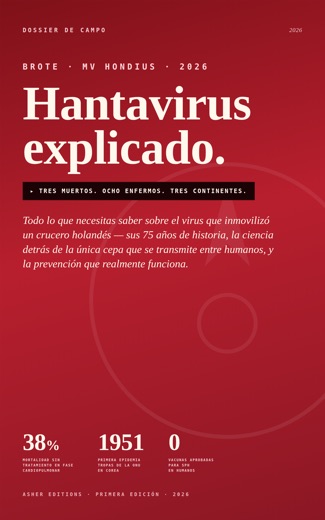
Hantavirus is a family of viruses carried mainly by rodents that can cause severe — and sometimes fatal — illness in people who breathe in or come into contact with the urine, droppings, or saliva of infected animals. It is rare, but it is also one of those infections where knowing a few practical facts genuinely changes outcomes: the difference between a routine cabin cleanup and a medical emergency often comes down to how someone handles a dusty, mouse-infested space. This guide explains what hantavirus actually is, how it spreads, the full symptom timeline phase by phase, who is most at risk, and the concrete prevention steps that public-health agencies recommend. No fear-mongering and no withheld details — just everything you need to understand the disease and protect yourself.
What Is Hantavirus? The Basics
"Hantavirus" is not a single virus but a group of related viruses found around the world. Each one is associated with a specific rodent host — and, crucially, you cannot tell whether a mouse is carrying it just by looking. Infected rodents shed the virus in their urine, droppings, and saliva while showing no signs of illness themselves. In humans, hantaviruses cause two main disease patterns, which differ by region:
- HPS — Hantavirus Pulmonary Syndrome (also called Hantavirus Cardiopulmonary Syndrome). This is the form seen in the Americas. It attacks the lungs and heart and carries a case-fatality rate of roughly 30–40%. In North America the main culprit is the Sin Nombre virus, carried by the deer mouse (Peromyscus maniculatus). In South America, the Andes virus is the dominant strain.
- HFRS — Hemorrhagic Fever with Renal Syndrome. This form is more common in Europe and Asia and primarily damages the kidneys rather than the lungs. It is caused by strains such as Puumala (a milder version sometimes called "nephropathia epidemica," common in Scandinavia and northern Europe) and Hantaan (a more severe strain found in East Asia).
The name "Sin Nombre" is Spanish for "without a name" — pronounced roughly seen NOM-breh. It was given that name after a 1993 outbreak in the Four Corners region of the southwestern United States, when scientists raced to identify a mysterious, deadly respiratory illness and the virus initially had no formal designation.
How Hantavirus Spreads
Understanding transmission is the most useful thing on this page, because almost every prevention step flows from it. The single most important route of human infection is inhalation of aerosolized virus. When rodent droppings or urine dry out and then get disturbed — by sweeping, vacuuming, or shaking out a blanket — tiny virus-laden particles float into the air, and a person breathes them in without ever touching anything. This is why so many cases are linked to cleaning out cabins, sheds, garages, barns, and other spaces that have sat closed up with a mouse problem.
Other documented routes include:
- Direct contact: touching contaminated surfaces or nesting material and then touching your eyes, nose, or mouth.
- Rodent bites: rare, but possible if an infected animal bites a person.
- Contaminated food: eating food that a rodent has urinated or defecated on.
Two reassurances that matter for your peace of mind. First, in almost all cases hantavirus does not spread from person to person — you cannot catch HPS from a sick friend the way you'd catch the flu. (The one notable exception is the Andes virus in South America, where limited person-to-person transmission has been documented.) Second, hantavirus is not carried by dogs, cats, or farm animals as a reservoir — the threat comes specifically from wild rodents.
Hantavirus Symptoms: The Complete Timeline by Phase
Hantavirus illness unfolds in distinct stages. Knowing the timeline helps because the early phase looks exactly like ordinary flu, and the dangerous turn can come fast.
Incubation Period (1–8 weeks)
After exposure there is a silent window — typically 2 to 4 weeks, though it can range from one to eight. During this time there are no visible symptoms and the person is not contagious. This long, quiet gap is part of why diagnosis is tricky: by the time someone feels sick, they may have forgotten about the dusty shed they cleaned out a month earlier.
Early Phase (Days 1–5)
The first symptoms are easy to mistake for influenza:
- High fever (38–40°C / about 100–104°F)
- Severe muscle aches — characteristically in the large muscle groups: the thighs, hips, back, and shoulders. This deep, aching myalgia is one of the more telling early clues.
- Fatigue, headache, and chills
- Nausea and vomiting (in roughly 50% of cases), and sometimes diarrhea or abdominal pain
There is usually no runny nose and no sore throat — which, combined with a clear story of recent rodent exposure, is a detail that can help a doctor distinguish HPS from a common cold or seasonal flu.
Late Phase (Days 4–10) — Rapid Deterioration
This is where HPS becomes a true emergency. As the lungs fill with fluid, the illness can escalate over hours:
- Dyspnea (shortness of breath) — pronounced DISP-nee-uh
- A progressive, dry cough
- Pulmonary edema — fluid leaking into the lungs, making it feel like breathing through a wet sponge
- Low blood pressure and possible heart failure
- This stage frequently requires immediate hospitalization and mechanical intubation
The hallmark of the pulmonary phase is how quickly it arrives after several days of seemingly ordinary "flu." A person can feel achy and feverish for four or five days and then become critically short of breath within a single day. That sudden respiratory crash is the warning sign that should send anyone to an emergency room without delay.
Who Is Most at Risk?
Hantavirus is uncommon, but certain situations raise the odds considerably:
- Opening and cleaning closed-up buildings: vacation cabins, hunting camps, sheds, barns, and storage units that have been shut for the winter are classic settings.
- Rural and outdoor work: farmers, ranchers, forestry and utility workers, and field biologists who handle rodents or work in rodent habitat.
- Living in rodent-infested housing or areas with large deer-mouse populations.
- Camping and hiking where people sleep in or store gear in rodent-frequented structures.
Geography matters too. In the United States, the western states report the most HPS cases. In South America, southern Argentina and Chile see Andes virus activity. In Europe and Asia, the HFRS strains predominate. Wherever you are, the risk concentrates around enclosed spaces where rodents have nested undisturbed.
How to Prevent Hantavirus: Practical Steps
Prevention works, and it is mostly about two things: keeping rodents out, and never stirring up dry droppings into the air. Here is the method recommended by public-health authorities.
Keep Rodents Out
- Seal gaps and holes larger than about a quarter-inch (6 mm) around pipes, vents, and foundations with steel wool and caulk — mice can squeeze through astonishingly small openings.
- Store food (including pet food) and water in sealed, rodent-proof containers.
- Remove nesting attractions: woodpiles, clutter, and debris near the house. Keep grass and brush trimmed back from the walls.
- Set traps if you have signs of infestation. Snap traps are generally preferred over poisons in living spaces.
Clean Safely — The Golden Rule
The biggest mistakes happen during cleanup. Do not sweep and do not vacuum droppings, nests, or dead rodents — both throw virus into the air. Instead:
- Ventilate first. Open doors and windows and leave the space to air out for at least 30 minutes before you enter to clean.
- Wet everything down. Spray droppings, urine, and nests thoroughly with a disinfectant or a bleach solution (about 1 part household bleach to 9 parts water) and let it soak for at least 5 minutes. Wet material can't become airborne.
- Wipe, don't stir. Use paper towels to pick up the dampened mess, then place it in a sealed plastic bag for disposal.
- Wear protection. Disposable gloves are essential. In heavily infested spaces, an N95 respirator (not a cloth mask) and goggles are strongly advised.
- Disinfect surfaces and your hands. Wipe down countertops and floors with the bleach solution, then wash your hands thoroughly with soap and water afterward.
Important treatment note: there is currently no specific antiviral cure and no widely available vaccine for hantavirus. Care is supportive — oxygen, fluids, and intensive-care management of breathing. That is precisely why prevention and early medical attention carry so much weight.
Common Mistakes Travelers and Newcomers Make
If you're visiting rural areas abroad or moving into older country housing, a few avoidable errors come up again and again:
- Grabbing the broom first. The instinct to sweep out a dusty cabin is exactly the wrong move. Spray and soak before you touch anything.
- Assuming "a few droppings" are harmless. It only takes disturbed dust from a small amount of contamination to cause infection.
- Dismissing symptoms as flu while abroad. Travelers often blame fatigue and aches on jet lag or a bug. If you've recently cleaned a rodent-infested space and then develop fever with severe muscle pain, tell the doctor about the exposure — it can be the clue that leads to the right diagnosis.
- Forgetting the time lag. Because incubation can run up to eight weeks, mention any rodent exposure from the past two months, not just the past few days.
- Using a cloth or surgical mask for cleanup. These do not filter the fine aerosols that carry hantavirus; an N95 is the minimum for a real infestation.
When to Seek Medical Care
Seek medical attention promptly if, within roughly eight weeks of possible rodent exposure, you develop fever and severe muscle aches — and treat it as an emergency the moment any shortness of breath appears. Tell the clinician explicitly about the exposure (the cabin, the shed, the droppings). Early supportive care, especially getting a patient into intensive care before the respiratory phase peaks, meaningfully improves survival. This article is educational and is not a substitute for professional medical advice — when in doubt, call your doctor or local emergency number.
Frequently asked questions
Is hantavirus contagious between people?
In almost all cases, no. The HPS form seen in North America (Sin Nombre virus) and the HFRS forms in Europe and Asia are not known to spread person to person — you catch them from rodents, not from other people. The one documented exception is the Andes virus in South America, where limited human-to-human transmission has occurred. For the vast majority of situations, you cannot give hantavirus to a family member the way you'd pass along the flu.
How long after exposure do symptoms appear?
The incubation period is typically 2 to 4 weeks, but it can range anywhere from 1 to 8 weeks. During this window there are no symptoms. Because the gap is so long, people often don't connect their illness to a cleanup or exposure that happened weeks earlier — which is exactly why you should mention any rodent contact from the previous two months to a doctor.
Can I get hantavirus just from being near mouse droppings?
Yes — and that's the key risk. You don't have to touch anything. When dried droppings or urine are disturbed (by sweeping, vacuuming, or even strong air movement), virus particles become airborne and you can inhale them. This is why the safe method is always to ventilate the space, then wet the contamination down with disinfectant before cleaning, rather than dry-sweeping.
Is there a vaccine or cure for hantavirus?
There is no specific antiviral cure and no widely available vaccine for the strains causing HPS. Treatment is supportive — oxygen, careful fluid management, and intensive-care support for breathing, including mechanical ventilation in severe cases. The earlier a patient receives hospital care, the better the outcome, which makes prevention and prompt attention especially important.
What's the difference between HPS and HFRS?
HPS (Hantavirus Pulmonary Syndrome) attacks the lungs and heart, is found mainly in the Americas, and has a fatality rate around 30–40%. HFRS (Hemorrhagic Fever with Renal Syndrome) primarily damages the kidneys, is more common in Europe and Asia, and is caused by strains like Puumala (milder) and Hantaan (more severe). They come from different hantavirus strains tied to different rodent hosts in different regions.
How should I safely clean a cabin or shed with signs of mice?
Never sweep or vacuum. Open it up and let it air out for at least 30 minutes. Wearing disposable gloves (and an N95 respirator plus goggles for heavy infestations), spray all droppings, urine, and nests with a bleach solution of about 1 part bleach to 9 parts water and let it soak 5 minutes. Wipe everything up with paper towels, seal the waste in a plastic bag, disinfect the surfaces, and wash your hands thoroughly afterward.
What is the single most important warning sign?
Sudden shortness of breath after several days of flu-like fever and severe muscle aches, especially with a history of rodent exposure. The early phase can look like ordinary flu, but when breathing difficulty sets in, the illness can deteriorate within hours. Treat that transition as a medical emergency and go to a hospital immediately.
For readers who want a deeper, organized reference on health and prevention topics like this one, Asher Editions publishes practical digital guides you can keep on hand — but everything you need to understand and prevent hantavirus is right here in this article.